

Payroll is one of the most crucial yet complex aspects of running a business. Beyond simply paying employees, payroll directly impacts your business’s cash flow and financial health.
For business owners, especially those managing small to medium-sized businesses, understanding this relationship can be the difference between thriving or struggling to meet financial obligations.
In this article, we’ll explore how payroll affects your cash flow, the broader financial implications, and how effective management can help you maintain business profitability and stability.
The Connection Between Payroll And Cash Flow

Cash flow, which refers to the movement of money in and out of a company, is the lifeblood of any business. Positive cash flow indicates that a business can meet its immediate financial obligations, while negative cash flow may signal trouble.
Payroll is one of the largest expenses for most businesses, and its regularity means it has a significant impact on cash flow.
How Payroll Affects Cash Flow Timing
Payroll expenses are often set on fixed cycles (weekly, bi-weekly, or monthly), meaning they are predictable but must be timed well with incoming cash from sales or other revenue streams.
Misalignment between payroll schedules and cash flow can cause strain. For instance, if you’re paying employees before receiving payment from clients or customers, you may face cash flow shortages.
Poor payroll planning can drain a business’s cash reserves, especially if payroll periods coincide with other large expenses, such as vendor payments or tax deadlines.
Businesses that fail to manage their payroll effectively may face bounced payroll checks, overdraft fees, or even the inability to meet other operational expenses.
Payroll Expenses Are More Than Just Wages
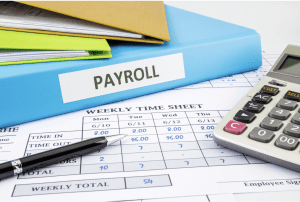
While wages are a primary component of payroll, they are far from the only expense. Understanding the full spectrum of payroll expenses is critical for assessing its true impact on cash flow and financial health.
Breakdown Of Payroll Components
In addition to wages, payroll includes:
- Payroll Taxes: Social Security, Medicare, federal, state, and sometimes local taxes.
- Employee Benefits: Health insurance, retirement contributions, and more.
- Other Withholdings: Court-ordered deductions like child support, union dues, or loan payments.
It’s easy to overlook costs like overtime, bonuses, and paid leave, which can significantly inflate payroll costs if not properly accounted for in cash flow projections.
Businesses need to consider the potential for fluctuating payroll due to seasonal or part-time workers.
Employers are also responsible for their share of payroll taxes, as well as contributions to employee benefit programs like health insurance and retirement plans.
These obligations, while vital for maintaining a happy and productive workforce, add layers of complexity and cost to payroll management.
Payroll Timing And Its Cash Flow Implications

As we previously mentioned, aligning payroll with your business’s revenue cycles is very important. This can minimize cash flow stress, allowing you to meet payroll obligations without affecting other operational expenses.
Businesses with inconsistent or seasonal revenue cycles need to carefully align payroll with periods of strong cash inflow.
For example, retailers often hire more staff around the holidays. Without careful planning, the surge in payroll costs during slower sales periods could create cash flow issues.
It’s critical to monitor not just payroll, but all inflows and outflows in your business. By keeping a close eye on accounts receivable, managing expenses, and having a clear understanding of revenue trends, you can make sure payroll doesn’t negatively impact your cash position.
Solutions For Tight Payroll Periods
If your business regularly faces tight payroll periods, you may consider:
- Payroll Financing: A short-term loan designed to cover payroll when cash is low.
- Cash Flow Forecasting: A strategy to project future cash flows and prepare for upcoming payroll periods.
Avoiding payroll disruptions may include maintaining an emergency fund, negotiating better payment terms with vendors, or utilizing an outsourced payroll provider for timely and accurate payroll processing.
Managing Payroll Liabilities And Financial Health
Payroll doesn’t just affect your cash flow; it also comes with tax liabilities and compliance requirements that can significantly impact your financial health if not handled properly.
Payroll tax liabilities are non-negotiable, meaning that failure to pay on time can result in costly penalties. It’s crucial to budget for payroll taxes each pay period to make sure your cash reserves are sufficient to cover these obligations.
Proper tax planning helps avoid underpayment or overpayment of payroll taxes. Businesses can benefit from working with a payroll provider to ensure compliance with tax regulations, avoid penalties, and optimize tax liabilities.
Payroll management isn’t just about paying employees, it also includes managing deductions, benefits, and compliance with employment laws. Mistakes here can result in significant financial penalties and strain your cash flow.
Automated payroll systems can streamline the process so that tax liabilities are calculated accurately and deductions are handled appropriately. This helps avoid costly errors so that your business maintains financial stability.
Outsourcing Payroll To A Professional

Outsourcing payroll can greatly benefit you as a business owner, reducing administrative burden, and giving you peace of mind that you’re compliant with tax and labor laws.
At Minton CPA & Associates, we use advanced payroll tools and systems to ensure accuracy, compliance, and timely payroll processing. By partnering with us, you can free up time to focus on growing your business while we manage the complexities of payroll.
So don’t let payroll management negatively impact your business’s financial health. Contact us today at 757-546-2870 to find out how we can help you streamline your payroll process.