

Did you know that over 70% of business owners struggle to interpret basic financial statements? While financial reports might seem tedious at first glance, understanding the story behind the numbers is critical for effective business decisions. This guide not only makes topics like income statements, cash flow reports, and profit analysis accessible but helps you decode them with confidence—without putting you to sleep.
Did You Know Most People Misinterpret Financial Statements? Start Here with Income Statements, Cash Flow Reports, and Profit Analysis
Navigating financial statements isn’t just for accountants—anyone interested in a company’s true health needs to grasp the essentials. It’s shockingly common for crucial insights to be missed in income statements and cash flow reports, resulting in costly mistakes and missed opportunities for improvement. The good news? By learning to spot the patterns and pitfalls, you can make smarter business choices and steer clear of avoidable financial mishaps.
This article is designed to break down the basics of profit analysis, guiding you through the maze of numbers with straightforward explanations and plenty of real-world context. Whether you’re a small business owner, a budding investor, or someone looking to understand their employer’s health, you’ll learn how to use each major report to your advantage—from identifying key line items to understanding what drives your bottom line. We’ll kick off with the importance of these statements and then dig into the barriers that hold people back, ensuring you gain concrete skills for interpreting financial information.

The Importance of Understanding Financial Statements for Every Stakeholder
Whether you’re a business owner, manager, investor, or employee, knowing how to read and interpret financial statements is essential. These documents offer a comprehensive snapshot of a company’s financial health, providing insights into profitability, liquidity, and long-term sustainability. Stakeholders rely on income statements to track how much money a business earns and spends over a period of time, while cash flow reports are critical for judging the actual movement of cash—a detail often overlooked until problems arise.
More than just numbers, these reports reveal if a company is operating efficiently, investing wisely, and meeting obligations. For organizations of all sizes, timely access to this financial knowledge empowers informed strategy, risk reduction, and smarter allocation of resources. From startup founders wanting to impress investors, to employees curious about job stability, the ability to decipher financial statements supports everyone’s interests.
Common Barriers: Why Income Statements, Cash Flow Reports, and Profit Analysis Seem So Complex
One of the biggest reasons people struggle with income statements, cash flow reports, and profit analysis is their intimidating terminology and layout. Rows of unfamiliar line items, acronyms, and varying time periods can quickly become confusing, especially when reports differ from one organization to another. Many are overwhelmed by accounting jargon like “net income,” “operating activities,” and “financing activities,” not realizing that these complex terms simply represent day-to-day business realities.
Additionally, there’s a misconception that financial analysis requires advanced math or professional expertise. In reality, most metrics are straightforward once you break them into key components. By identifying recurring red flags—like sudden drops in cash flow or inconsistent gross profit—and learning to spot warning signs in financial statements, anyone can master the skills required for efficient and accurate analysis.
“Studies show that over 70% of business owners struggle with interpreting basic financial statements.”
What You’ll Learn: Demystifying Financial Reports With Income Statements, Cash Flow Reports, and Profit Analysis
- The key components of income statements
- How to interpret cash flow statements
- Methods to perform meaningful profit analysis
- Identifying red flags within financial statements
- Shortcuts and best practices for efficient financial analysis
An Overview of Financial Statements: Income Statements, Balance Sheets, and Cash Flow Reports Explained
To analyze any business effectively, you must become familiar with the three essential financial statements: the income statement, the balance sheet, and the cash flow report. Each report offers unique perspectives—like snapshots from different angles—allowing a deeper understanding of a company’s financial performance and health. While the income statement reveals profitability for a specific time period, the balance sheet summarizes what a company owns and owes at a particular point in time. The cash flow statement tracks how cash moves in and out, showing operational efficiency and resilience in meeting financial commitments.
Grasping these differences is crucial. The income statement is all about revenues and expenses over a defined period, helping assess overall profit generation. The balance sheet serves as a financial “snapshot,” reflecting assets, liabilities, and equity on a particular date. The cash flow statement bridges the gap between these by focusing purely on the cash aspect—what comes in versus what goes out. When considered together, these documents offer a powerful, holistic view for conducting accurate profit analysis and making sound, data-driven business decisions.
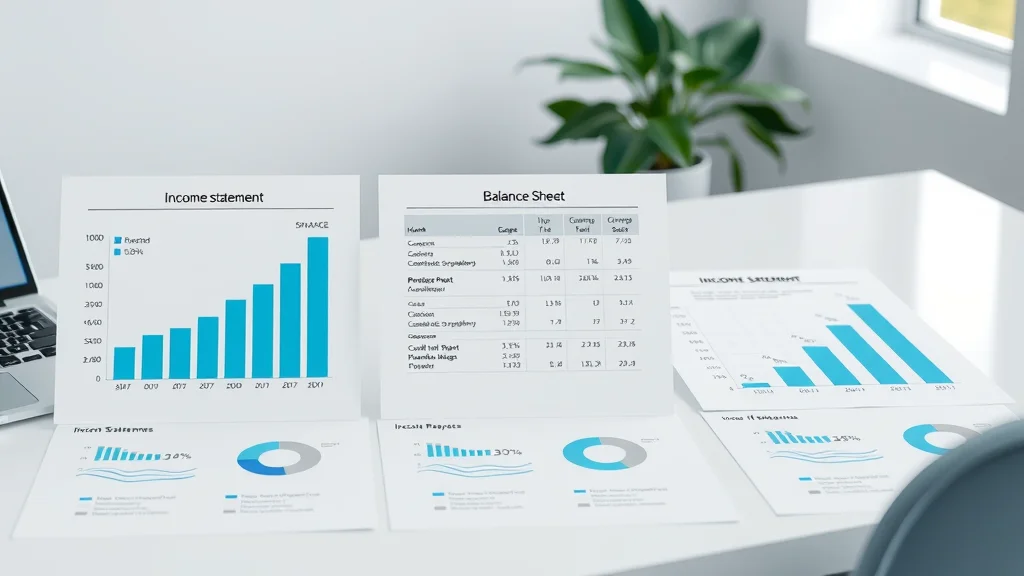
Income Statement: What It Is and Why It Matters
The income statement—sometimes called the “profit and loss statement”—shows how much money a company earns (revenue) and spends (expenses) over an accounting period. It’s where you’ll find big-picture metrics like gross profit, operating income, and net income: the ultimate bottom line. Unlike a balance sheet that reflects a single point in time, the income statement covers a period (like a month, quarter, or year), clearly mapping how efficiently operations generate profit.
For anyone concerned with company performance, from leaders and investors to employees, the income statement answers key questions: Is the company growing? Are expenses under control? How much profit is available for reinvestment or dividends? By examining income statements, you can benchmark performance across periods, evaluate trends in earnings, and assess how well management turns revenues into sustainable profits.
Balance Sheet: Understanding Assets, Liabilities, and Equity
The balance sheet is a fundamental financial statement that gives a business’s financial position at a specific date—a true “snapshot” in time. It lists assets (what the company owns), liabilities (what it owes), and equity (the residual interest of the owners). This is where concepts like net worth come into play: Subtracting liabilities from assets gives you equity, reflecting the company’s value.
Balance sheets help stakeholders assess the company’s capital structure, liquidity, and risk profile. High short-term assets indicate the ability to cover obligations; high debt could signal vulnerability or leveraged growth. Regularly reviewing the balance sheet alongside income statements and cash flow reports lets you catch worrying trends early, such as declining equity or mounting short-term debt.
Cash Flow Statement: Mapping Inflows and Outflows
The cash flow statement is a unique record, concentrating on the actual cash inflow and cash outflow across a reporting period. It divides all cash activity into operating, investing, and financing activities, showing exactly how money moves within a business—irrespective of when revenue is actually earned or expenses recorded in accounting terms.
Unlike the income statement, which relies partly on accrual accounting, the cash flow statement shows actual cash movement, revealing whether a company can pay bills, invest for growth, or endure downturns. Clear understanding of this statement is essential for anyone monitoring liquidity, preventing insolvency, or ensuring there’s enough money to seize new opportunities. Reviewing cash flow reports regularly is the first line of defense against unforeseen financial shortfalls.
Deep Dive: Unpacking the Income Statement for Effective Profit Analysis
Essential Components of the Income Statement
At its core, the income statement is built around a simple formula: Revenues – Expenses = Net Income. Understanding each component helps you conduct a robust profit analysis. Key sections include total revenue (all incoming earnings in a period), cost of goods sold or COGS (direct costs to produce goods/services), operating expenses (salaries, rent, utilities), and then crucial profit metrics such as gross profit, operating income, and net income. Each metric provides a deeper layer of information on financial performance.
Income statements also reflect earnings per share (EPS) for public companies—showing after-tax profit distributed to each outstanding share, a favorite ratio for investors. Every line item, from top-line revenue to bottom-line net income, tells part of the story. Careful review can show if increased profit resulted from true growth or from temporary cost-cutting. Ultimately, the income statement’s accuracy is vital for benchmarking, trend spotting, and informed decision making.

Operating Activities & Their Impact on Profit Analysis
Operating activities refer to the company’s core business actions that generate earnings. In the context of income statements, this includes sales revenue, goods production, service delivery, and related expenses. Operating income provides a clear view of profitability from business-as-usual efforts, before considering one-time events, taxes, or financing costs.
Examining these figures reveals if profit is coming from steady, sustainable operations rather than unusual spikes or declines. Chronic high operating expenses may indicate inefficiency, while a rising operating income trend signals strength. For accurate profit analysis, always focus first on insights from operating activities and cross-reference them with corresponding cash flows for a complete picture.
Common Metrics: Earnings Per Share, Gross Profit, Net Income
Three core metrics dominate the income statement: Gross profit (sales minus cost of goods sold), net income (final profit after all expenses, taxes, and interest), and earnings per share (EPS). Gross profit reveals the initial earning power of your sales. If gross profit lags behind revenue growth, it could point to rising production costs or pricing pressure.
Net income—the famed “bottom line”—signals how much profit remains after all business costs, taxes, and interest. For shareholders, earnings per share offers a per-share profitability gauge—crucial for investment decisions. Trend analysis of these and related metrics helps you spot both opportunities for expansion and looming threats requiring immediate attention.
“An accurate income statement is the foundation for any comprehensive profit analysis.”
Cash Flow Reports: Navigating the Cash Flow Statement for Informed Decision Making

Understanding Cash Inflows and Outflows in Cash Flow Reports
The cash flow statement divides company cash movements into three categories: cash inflow (money coming in) and cash outflow (money going out) from operating, investing, and financing activities. For effective financial analysis, start with operating activities, as these reflect the ongoing health and profitability of the business’s core operations.
Reviewing cash inflows and outflows helps identify whether the business consistently generates enough cash to cover expenses and invest in growth—or if it relies on external financing or asset sales to stay afloat. This is especially important for spotting short-term liquidity risks and verifying that reported profits (on the income statement) are backed by actual cash generation.
Breakdown: Operating, Investing, and Financing Activities
Each section of the cash flow statement provides unique insight. Operating activities include receipts from sales and payments for supplies, salaries, and rent. Investing activities cover cash spent on purchasing (or received from selling) assets like equipment or property. Financing activities document money raised through loans or received from issuing shares—and cash spent to repay debts or pay dividends.
Understanding which segment drives increases or decreases in cash is essential for accurate analysis. Healthy companies typically see positive cash flow from operations, strategic cash outflows for investing (buying tools for future growth), and clear, manageable patterns in financing. Unexplained negative cash from operations, however, is a red flag that needs further investigation.
Interpreting Cash Flow Statements for Business Health Evaluation
Interpreting the cash flow statement means more than simply tracking how much cash moved. Instead, you should look at the consistency and sustainability of cash flows. Are positive operating cash flows regular, or is the company frequently dipping into savings or loans just to cover everyday costs? Do positive investing cash flows signal constructive asset sales or desperate efforts to raise funds?
Analyzing trends across time helps uncover issues not apparent on the income statement. For example, a glaring difference between net income and operating cash flow could mean profits are “on paper” but not translating to usable cash—raising questions about revenue recognition or collection effectiveness. Vigilant review of cash flow statements is the foundation of sound financial health.
How to Conduct Profit Analysis Using Financial Statements

Analyzing Profit Margins and Trends from the Income Statement
Effective profit analysis starts with investigating profit margins on your income statement—specifically gross profit margin and net profit margin. These ratios provide insight into cost control and pricing power. By tracking profit margins over several accounting periods, you’ll quickly spot positive growth trends or warning signs of mounting costs.
Look for abrupt swings in margins, inconsistent growth, or periods where net profit fails to keep pace with revenue. These patterns often indicate operational inefficiency, pricing challenges, or unexpected expenses that need to be addressed promptly to maintain long-term financial performance.
Using Cash Flow Reports for Sustainable Profit Analysis
True profitability depends on converting reported earnings into actual cash. Comparing net income from the income statement with cash from operations on the cash flow report uncovers gaps between “paper profit” and real financial strength. Consistently strong cash flows from operations, in line with net income, affirm a company’s ability to pay debts, invest, and distribute dividends.
If there’s a persistent mismatch—say net income is high while operating cash flow lags—this may hint at delayed collections, overestimated revenue, or aggressive accounting. Integrating cash flow analysis into profit assessment leads to better insight into business sustainability, preventing many common financial misinterpretations.
Red Flags: Warning Signs in Income Statements and Cash Flow Reports
While reviewing financial statements, keep a sharp eye out for “red flags. ” These include dramatic, unexplained drops in profit, large one-time gains or losses, and shrinking cash from operations. Discrepancies between net income and actual cash flow are especially worrisome, as they can mask underlying liquidity problems.
Other warning signs: consistent negative cash flows (especially from operations), frequent reliance on debt to stay liquid, or wildly fluctuating profit margins that don’t correspond to sales trends. Recognizing these signals early allows businesses and investors to mitigate risk well before issues become financial crises.
- Top Metrics for Profit Analysis: Gross profit margin, net profit margin, return on equity, earnings per share
- Common Mistakes to Avoid in Financial Analysis: Ignoring cash flow, focusing solely on revenue, overlooking operating expenses, comparing unrelated periods
- Quick Ratios for Fast Financial Assessment: Current ratio, quick ratio, debt-to-equity ratio
The Synergy: How Income Statements, Cash Flow Reports, and Balance Sheets Work Together

Connecting the Dots: Using Multiple Financial Statements for Holistic Analysis
No single statement tells the full story. Holistic financial analysis is about connecting data points between income statements, cash flow reports, and balance sheets. For example, growing profits (income statement) should reflect in increased equity (balance sheet) and be supported by healthy operating cash flows (cash flow statement).
By “triangulating” your analysis, you gain a multidimensional view: identifying if profits flow through as cash, if assets build equity, or if the balance sheet is carrying hidden risks. Regularly comparing statements across several periods safeguards against being misled by isolated spikes, accounting anomalies, or single-period surprises.
Real-World Example: Walking Through a Set of Financial Statements (Income Statement, Cash Flow Statement, and Balance Sheet)

To bring all these concepts together, imagine reviewing a set of financial statements for a local retail business. The income statement shows revenue growth but only a slight increase in net income, hinting at rising costs. The cash flow statement reveals strong cash from operations but negative overall cash due to a large investment in a new storefront. The balance sheet confirms this, showing increased assets (the storefront), more short-term debt (financing purchase), but stable equity.
By synthesizing these documents, you spot a healthy, growing business investing for the future, with manageable risk—offering vastly deeper insight than any single statement could. It’s this connected analysis that separates expert decision-making from routine bookkeeping.
“Seeing the relationships between financial statements is the secret to true financial insight.” Christina Minton, CPA
Expert Insights: Best Practices for Reading Income Statements, Cash Flow Reports, and Performing Profit Analysis
- Tips for Efficient Financial Reading: Always start with summaries and key ratios, then move to details; compare multiple periods; look for outliers or unusual changes.
- Questions to Ask When Analyzing Financial Statements: Are profits supported by cash flow? How consistent are margins across periods? What’s the trend in short-term debt?
- Industry-Specific Variations in Financial Reporting: Service businesses may focus more on operating margins; manufacturers on inventory turnover; tech firms on R&D expenses and recurring revenue.
People Also Ask: Income Statements, Cash Flow Reports, and Profit Analysis
What is the difference between income statements and cash flow statements?
Answer: Income statements reflect profitability by showcasing revenue and expenses over a period, whereas cash flow statements track the actual movement of cash in and out of the business. Both are essential for a complete financial analysis.
Why is profit analysis important when reviewing financial reports?
Answer: Profit analysis helps assess the true financial performance of a company, highlighting sustainability, operational efficiency, and the business’s ability to reinvest or distribute cash.
How can I quickly spot potential problems in a set of financial statements?
Answer: Look for sudden drops in cash flow, irregularities between net income and cash from operations, or significant fluctuations in profit margins.
FAQs on Income Statements, Cash Flow Reports, and Profit Analysis
- How often should I review financial statements for my business? Ideally, review income statements, cash flow reports, and the balance sheet at least quarterly. For rapidly changing businesses, monthly reviews provide even better oversight and early warning of issues.
- What tools can automate the analysis of income statements and cash flow reports? Modern accounting software like QuickBooks, Xero, and cloud platforms with analytics dashboards can automate much of the number crunching. These tools highlight trends and anomalies, freeing you to focus on strategic decision-making rather than manual calculations.
- Do all organizations follow the same format for their financial statements? While the core structure is similar due to universal accounting standards (like GAAP or IFRS), there are always variations by industry, company size, and reporting preferences. It’s important to read the notes and understand industry conventions relevant to your analysis.
Key Takeaways: Income Statements, Cash Flow Reports, and Profit Analysis – The Essentials
- Master basic statement structures to avoid costly mistakes
- Don’t rely solely on profit—always consult the cash flow report
- Regular analysis of financial statements drives better business decisions
Ready to take advantage of the Minton team’s expertise? Please call us at 757-546-2870
Conclusion: With foundational knowledge of income statements, cash flow reports, and profit analysis, you’re empowered to ask smarter questions, catch warning signs, and make well-informed business decisions with clarity and confidence.