
Did you know nearly 40% of small businesses face IRS penalties each year for underpaying their quarterly taxes? If you’re a business owner, tax season can turn into a costly maze of missed deductions, confusing payment deadlines, and ever-changing rules. The good news? With the right tax planning strategies, you can turn the tables and transform tax compliance into a powerful tool for business growth. This guide gives you the smartest ways to maximize your deductions, stay on top of quarterly tax payments, and take charge of your small business planning.
Unlocking Big Savings: Why Proactive Business Tax Planning is Essential for Business Owners
“According to the IRS, nearly 40% of small businesses incur penalties due to underpaying quarterly taxes.”
- Common pitfalls in small business tax payment: Many business owners underestimate or miss tax deadlines, leading to penalties and cash flow issues.
- How overlooked deductions can reduce business tax liability: Missed deductions mean businesses often pay more income tax than necessary, reducing profitability.

Raising your business tax IQ isn’t just about saving money—it’s about protecting your profits and the long-term health of your enterprise. Many business owners mistakenly assume their accountant catches all deductions, but a proactive approach to tax planning can unlock significant savings. By learning to navigate quarterly estimated tax payments and leverage every allowable deduction, you decrease your risk of penalties and optimize your tax liability for the current year.
Tax payments aren’t just a compliance chore—they’re an integral part of your business strategy. Smart business owners make tax planning a year-round activity, ensuring both peace of mind and maximized returns. In the sections below, we’ll break down proven strategies so you can become a more informed (and more profitable) small business owner.
What You’ll Learn About Deductions, Quarterly Taxes, and Small Business Planning
- Best deductions available for small business owners so you never leave money on the table.
- How to calculate and pay quarterly estimated tax payments to avoid costly penalties and cash flow surprises.
- Planning strategies to minimize your business and income tax liability, keeping profits in your pocket where they belong.
Understanding Small Business Tax Basics: Deductions, Tax Payments, and Business Tax Structures
The Fundamentals: What Every Business Owner and Small Business Owner Must Know about Deductions and Taxable Income
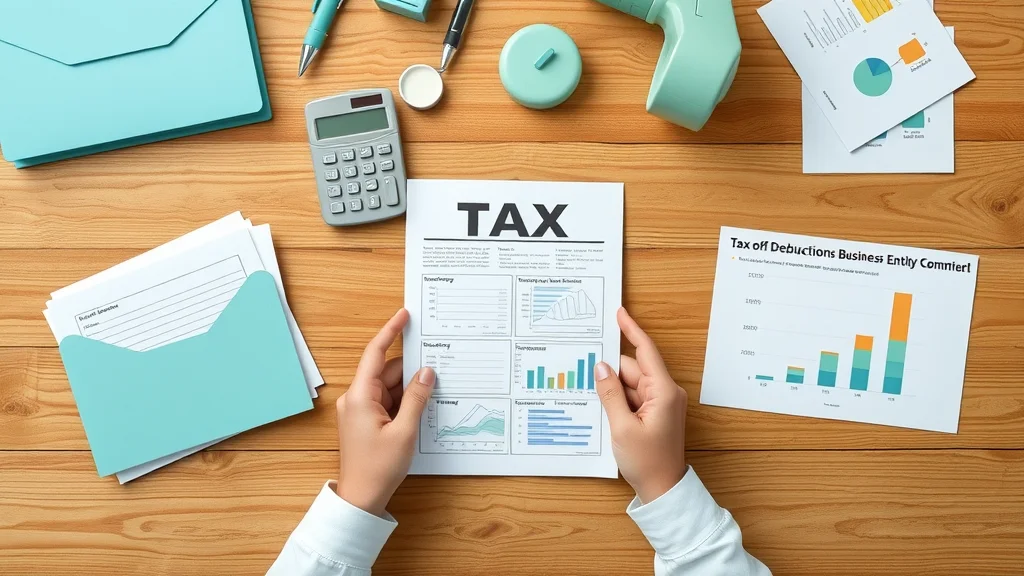
Tax season is much easier to navigate when you understand the basics of business tax: what counts as taxable income, how deductions work, and how to plan for tax payments. For instance, almost all income your business receives—from sales, service fees, or contract work—is considered taxable. However, your tax liability can be significantly reduced by deducting eligible business expenses such as rent, utilities, employee wages, and even professional fees.
As a business owner, you must correctly classify income and expenses. Understanding employment tax obligations (including Social Security, Medicare, and federal unemployment taxes) is also critical if you have employees. Each type of business structure—from sole proprietors to corporations—has different rules for reporting income, calculating taxable income, and claiming deductions.
Choosing the Right Business Structure for Optimal Small Business Planning
Your choice of business structure (e. g. sole proprietorship, LLC, S corporation, C corporation) determines how you’re taxed and which deductions you can claim. A sole proprietor files business taxes on their personal return using a Schedule C, while LLCs, S Corps, and C Corps have different tax filing and reporting obligations. Certain structures offer beneficial ways to reduce your tax liability—for example, S Corps can limit self-employment taxes, while C Corps can retain earnings for future investment.
As your operation grows, a strategic review of your current business structure is wise. Consulting a tax pro during this process helps ensure you’re optimizing for both tax payments and business expansion. Selecting the ideal structure not only affects your tax payment schedule and method, but also impacts long-term planning for deductions and compliance.
How Employment Tax and Business Tax Returns Affect Tax Payment Timing
Employment tax and business tax returns set the timeline for many of your tax payments. Payroll tax is generally withheld and remitted periodically, while income tax (including estimated tax payments) is made throughout the year according to IRS deadlines—especially for businesses expected to owe more than $1,000 in taxes for the current year. Your tax year (calendar or fiscal) also determines when returns and payments are due.
Business owners with employees must pay close attention to employment tax due dates. Missing payroll or estimated tax payments can trigger significant fines. The timing and method of filing your tax return varies based on entity type, so it’s crucial to stay informed and organized about the unique requirements for your business.
Maximizing Your Business Deductions: What Counts—and What Doesn’t for Business Owners
Top Deduction Categories for Small Business Owners

The Internal Revenue Code provides a wide array of business deductions—but only if you know to claim them. Some of the most impactful deduction categories include:
- Office expenses: Rent, utilities, office supplies, and equipment.
- Employee wages and benefits: Salaries, bonuses, health insurance, and retirement contributions.
- Professional services: Fees paid to accountants, attorneys, and consultants.
- Marketing and advertising: Website costs, digital ads, and promotional materials.
- Vehicles and travel: Mileage, airfare, lodging, and meals related to business trips.
- Home office deduction: If part of your home is used solely for business, a portion of mortgage, rent, utilities, and maintenance can be deducted.
Organizing and properly categorizing receipts helps ensure you maximize your deductions and reduce your overall income tax and tax liability as a business owner.
Common Deduction Mistakes and How to Avoid Them
“Every dollar you correctly deduct directly reduces your income tax liability.” – Tax Pro Insight
Missing eligible business deductions or misclassifying expenses is a costly mistake that many small business owners make. Errors often stem from poor recordkeeping or misunderstanding of allowable expenses. For example, not separating business and personal expenses, or overlooking “mixed-use” costs such as internet or cell phone bills, leads to missed savings.
To avoid these pitfalls, business owners should review IRS guidelines annually and consider using tax prep software designed for small businesses. When in doubt, consult a tax pro—even a brief review can reveal overlooked deductions and offer advice on best documentation practices for tax filing and estimated tax payments.
How Depreciation, Home Office, Vehicle, and Retirement Plan Deductions Work
More nuanced deductions like depreciation allow you to recover the cost of assets (such as equipment, computers, or furniture) over several years. The home office deduction is commonly misunderstood, but if you use a portion of your home exclusively for business, it’s a legitimate way to reduce your tax liability. Vehicle deductions can be based either on actual expenses or standard mileage rates—in both cases, detailed records are required.
Retirement plans for the business owner (SEP IRAs, SIMPLE IRAs, Solo 401(k)s) not only help you save for the future, but also lower your current year’s taxable income. Make sure these plans are set up before year-end to take full advantage of the deduction on your next tax return.
Quarterly Taxes Explained: Ensuring Timely Tax Payments and Avoiding Penalties

Who Needs to Pay Quarterly Estimated Taxes and How Are They Calculated?
If you’re likely to owe at least $1,000 in federal taxes for the current year (after withholding and credits), the IRS expects business owners to make quarterly estimated tax payments. This applies to sole proprietors, LLCs, S Corps, and C Corps that do not have enough tax withheld from other sources. Your estimated tax is based on projected income, less deductions and credits, resulting in your anticipated tax liability.
Calculating quarterly taxes involves estimating your expected taxable income for the year, reducing it by adjustments and deductions, and applying applicable tax rates. Tools like the IRS Form 1040-ES and professional tax prep software can help. Accurate estimation prevents both penalties for underpayment and cash flow issues from over payment.
| Quarterly Estimated Tax Deadlines and Payment Schedules for Business Owners | ||
| Quarter | Period Covered | Estimated Payment Due Date |
|---|---|---|
| Q1 | January 1 – March 31 | April 15 |
| Q2 | April 1 – May 31 | June 15 |
| Q3 | June 1 – August 31 | September 15 |
| Q4 | September 1 – December 31 | January 15 (following year) |
Filing Quarterly Estimated Tax Payments: Step-by-Step Process
Making quarterly estimated tax payments is easier if you follow these steps:
- Estimate your total annual income: Project your business revenues for the year. Consider trends, new contracts, and anticipated growth.
- Calculate deductions and credits: Subtract eligible deductions and applicable tax credits from your income to determine your estimated taxable income.
- Compute estimated taxes owed: Apply the relevant income tax rates for your business entity. Account for self-employment tax if you’re a sole proprietor.
- Divide total by four: You’ll pay this amount each quarter on or before the IRS’s published deadlines.
- Make payments: Use IRS Direct Pay, EFT PS, or approved tax prep platforms to submit your tax payments on time.
- Track and adjust: Review your actual earnings throughout the year and update each quarterly estimated tax payment as needed.
Timely filings and accurate payments ensure you avoid penalties and optimize cash management as a business owner.
Small Business Planning: Integrating Tax Strategies for Year-Round Success
Budgeting for Estimated Tax Payments and Deductions

A winning small business tax strategy requires more than annual tax prep—it’s about budgeting for expected liabilities and maximizing deductions each quarter. Start by forecasting your income and regularly updating your projection as actual data comes in. Set aside a portion of your revenues for estimated taxes, adjusting for any seasonal variations in business.
Use digital budgeting tools or spreadsheets to align anticipated business expenses and deductions with your revenue flow. This proactive approach keeps cash flow steady, prevents surprises, and supports compliance with quarterly taxes and income tax.
Estimating Your Taxable Income Throughout the Year
The most efficient business owners update their taxable income projections regularly—at least quarterly. This practice enables you to fine-tune estimated tax payments and capitalize on deductions as opportunities arise. For example, if you anticipate higher revenue in later quarters, you may want to accelerate certain deductible expenditures (like purchasing equipment or paying for training) to reduce tax liability.
Keeping a close eye on your earnings and expense categories throughout the year prepares you for a smooth tax filing, eliminating last-minute scrambles and costly estimation errors.
Evaluating Your Tax Liability at Each Quarter
Don’t wait for year-end to crunch your tax liability numbers. By reviewing your revenues, expenses, and projections at the close of each quarter, you gain an up-to-date understanding of your true tax position. This also enables you to adjust your future estimated tax payments, avoid underpayment penalties, and make strategic purchasing or spending decisions.
This iterative process not only ensures IRS compliance, but also gives you a real-time advantage when it comes to financial and tax planning for your small business.
Sole Proprietors vs LLCs and Corporations: Tax Planning Implications for Business Owners
Unique Deduction Opportunities for Sole Proprietors

Sole proprietors face unique opportunities and challenges in tax planning. For one, all business net profits are taxed as personal income, but you’re also eligible for the full slate of deductions from business expenses and home office costs to retirement contributions. Don’t forget about self-employment tax—sole proprietors must pay both employer and employee portions of Social Security and Medicare. While the tax code offers relief through the qualified business income deduction (QBI), maximizing this deduction demands careful documentation and planning.
LLCs taxed as sole proprietors can access similar deductions, but with the added benefits of liability protection. Understanding your entity’s unique deduction approaches makes a substantial difference in your bottom line.
Business Tax Return Differences by Business Structure
Tax return filing varies depending on your business’s legal structure. Sole proprietors file on Schedule C of Form 1040, partnerships use Form 1065, S corps file Form 1120S, and C corps file Form 1120. Each form presents different deadlines, reporting requirements, and deduction possibilities. Misfiling can delay refunds or trigger audits, so take time to learn the rules for your structure—or get help from a tax pro.
Certain structures allow you to split income among family members, defer compensation, or claim special credits not available to all business types. These differences can significantly affect both annual income tax and quarterly estimated payment requirements.
Quarterly Estimated Tax Payments for Different Business Entities
Quarterly estimated tax responsibilities differ by entity. Sole proprietors and single-member LLCs pay using Form 1040-ES. Partnerships generally pass through income to partners, who pay their own estimated taxes. S Corps and C Corps have their own forms and special rules—S Corps often treat owner salaries as wages (subject to employment tax) and distributions as passive income, while C Corps pay quarterly using Form 1120-W.
Understanding which deadlines and forms apply to your business ensures on-time compliance and shields you from avoidable penalties, especially as your company grows or changes structure.
Estimated Tax Payments: Setting Up a System that Works for Your Small Business
- Calculating accurate taxable income
- Tracking deductible expenses in real time
- Using technology for tax planning and payments

Tax Prep Tools, Software, and Resources Every Small Business Owner Should Use
Embrace technology to make quarterly estimated tax payment preparation a breeze. Modern tax prep software helps calculate, track, and file tax payments on IRS-approved schedules. Resources like QuickBooks, Xero, or specialized small business platforms not only streamline expense tracking, but also flag eligible deductions you may overlook. They also send reminders for IRS deadlines, helping you plan ahead and avoid last-minute panic.
Using these resources empowers you to file accurate quarterly tax payments and maximize your annual deductions. Many software packages sync with your bank account, making taxable income projections and estimated payments nearly automatic—a huge relief for time-crunched business owners.
How to Keep Accurate Records for Tax Planning and Estimated Taxes
Precise record keeping is the backbone of tax planning and quarterly estimated tax payments. Save all receipts, invoices, and financial statements—preferably in a digital format. To substantiate deductions, categorize transactions by type (e. g. , office, travel, marketing) and use expense tracking tools integrated with your accounting software.
Reviewing records monthly instead of just at year-end allows you to catch anomalies early, update your estimated tax payments as needed, and prep for audits or reviews without stress. This disciplined approach ensures all deductions are logged and no tax payment deadlines get missed.
Boosting Small Business Savings with Advanced Tax Planning Tactics
Year-End Tax Planning and Deductions Review

Don’t wait until April to start thinking taxes. Smart business owners conduct year-end reviews to bunch expenses into the closing tax year (e. g. , prepaying certain bills, acquiring needed inventory, or making retirement contributions). These moves maximize eligible deductions, potentially lowering your final tax liability and setting you up for a stronger financial start next year. A thorough review with your accountant or tax pro ensures you capture every opportunity.
Schedule your year-end “tax checkup” before December 31, and ask about actions like writing off bad debts, updating asset depreciation schedules, and optimizing your taxable income through timing strategies.
Quarterly Taxes and Tax Payments: Avoiding Common Traps
“A proactive tax strategy doesn’t just save money—it also shields you from unnecessary penalties as a business owner.”
The two biggest mistakes business owners make with quarterly taxes are paying late and underestimating their estimated taxes. Either can trigger IRS penalties—not to mention unexpected cash flow crunches. Avoid these traps by proactively updating your income and expense figures each quarter, using automated reminders for all quarterly estimated tax payment deadlines, and consulting with a tax pro if your income swings significantly.
Remember, IRS safe harbor rules can help: paying 100% of last year’s tax liability (or 110% for high earners) in equal quarterly payments usually keeps you penalty-free, even if your current year income rises.
When and Why to Consult a Tax Pro for Deductions and Small Business Planning
Even the most diligent small business owner faces complex tax questions: choosing the right business structure, navigating new deductions, or managing multistate operations. A tax pro can identify overlooked deductions, ensure your estimates are accurate, and suggest optimal timing strategies. If your business is growing, changing structures, or facing IRS scrutiny, hiring a professional is a wise investment.
Tax pros also stay on top of law changes, so you don’t have to. Consider engaging an expert for an annual planning session or as a regular part of your business advisory team.
People Also Ask: Answers for Business Owners About Deductions, Quarterly Taxes, and Small Business Planning
How can business owners maximize their tax deductions?

Maximize deductions by tracking every legitimate business expense throughout the year, maintaining clear records, categorizing costs as they occur, and consulting IRS lists of allowable deductions. Use digital receipt tools, review accounts monthly, and work with a tax pro for tailored advice. Remember: every dollar deducted lowers your taxable income and overall tax liability.
What is the penalty for missing a quarterly tax payment for small businesses?
Missing a quarterly estimated tax payment typically results in an IRS penalty based on the amount underpaid and duration of the delay, plus interest on unpaid amounts. The penalty may increase if you also underpay for multiple quarters. To avoid this, track deadlines closely and adjust payments if your income changes within the tax year.
Should a small business owner hire a tax pro for tax planning and estimated taxes?
Yes. While tax software helps, a tax pro can navigate complicated tax codes, maximize deductions, and spot unique opportunities for savings specific to your industry and business structure. Professionals also assist in planning for estimated tax payments and staying compliant as your business grows or becomes more complex.
What are the most common mistakes in small business planning for taxes?
Common mistakes include neglecting to budget for estimated taxes, mixing personal and business expenses, underestimating taxable income, missing deduction opportunities, and poor record keeping. Failing to consult a tax pro or review strategies regularly often leads to avoidable errors and higher tax bills.
How do sole proprietors handle estimated taxes differently from LLCs or corporations?
Sole proprietors pay estimated taxes on net profits personally using Form 1040-ES, usually including self-employment tax. LLCs may do the same if they’re single-member, while multi-member LLCs, S Corps, and C Corps have variations in how profits and taxes are reported and paid—often with additional forms and different due dates.
What is the difference between income tax, business tax, and employment tax for business owners?
Income tax is levied on the profits a business owner earns; business tax can refer to industry-specific taxes or state/local business obligations; employment tax includes Social Security, Medicare, and unemployment taxes withheld or remitted by employers for staff or paid via self-employment tax by business owners.
FAQs on Deductions, Quarterly Taxes, and Small Business Planning
- What counts as a business deduction?
Ordinary and necessary expenses for operating your business—supplies, advertising, utilities, rent, wages, vehicles, and depreciation, among others. - How do I estimate my tax payments accurately?
Project annual revenue, subtract all allowable deductions, calculate taxable income, then use the correct tax rate for your business entity and pay 25% per quarter. - When are quarterly estimated tax payments due?
April 15, June 15, September 15, and January 15 (next year)—unless these fall on weekends or holidays. - What records should a business owner keep for tax season?
Receipts, invoices, bank statements, payroll records, mileage logs, contracts, and all documents supporting your claimed deductions. - How often should I review my small business planning strategies for tax purposes?
At minimum, review quarterly—ideally monthly, especially if your business or tax laws change frequently. - Can overpaying quarterly taxes benefit my small business?
While overpaying avoids penalties, it ties up cash that could be used for business growth; aim for accurate payments instead. - Is there a way to automate quarterly tax payments and deductions tracking?
Yes—many modern tax prep and accounting software platforms offer automation for tax calculations, reminders, and documentation.
Key Takeaways: Deductions, Quarterly Taxes, and Small Business Planning Recap
- Review your business structure and deductions annually.
- Never miss a quarterly tax payment deadline.
- Keep precise records to maximize deductions and accuracy on tax payments.
- Consult a tax pro for tailored small business tax planning.
Ready to Take Charge of Your Small Business Planning and Deductions?
“To experience pro-active tax and business consulting call the team at Minton CPA & Associates 757-546-2870”
Smart tax planning is your key to reducing tax liability, keeping more of your profits, and avoiding penalties as a business owner. Stay proactive, use technology, and enlist a tax pro for expert guidance—you’ll meet every deadline, maximize your deductions, and ensure your small business thrives year-round.