

Did you know that more than 70% of business owners miss out on significant tax savings each year due to a lack of proactive tax planning, according to IRS data? This startling fact highlights how crucial it is to have a proactive tax strategy—not just for meeting your tax obligations, but for unlocking long-term business success. In this comprehensive guide, we’ll unravel the vital differences between forward-thinking tax planning and routine tax preparation, explaining why you truly need both to lower your tax bill, improve cash flow, and grow your small business with confidence.
Startling Facts: The Cost of Overlooking a Proactive Tax Strategy in Filing Taxes
“More than 70% of business owners miss out on significant tax savings each year due to a lack of proactive tax planning, according to IRS data.”
How a Proactive Tax Plan Can Impact Small Business Owners
For small business owners, a proactive tax strategy means looking beyond just the numbers on your tax return; it’s about taking charge of your financial future. When you engage in year-round tax planning, you can time income, manage deductions, and make informed financial decisions with the help of CPA guidance. This forward-thinking approach directly impacts your ability to reduce tax liability, boost cash flow, and navigate complex tax laws with confidence. By developing a comprehensive plan, you build a financial safety net that shields your business from surprises during tax season and creates strategic tax savings throughout the year. Small businesses that prioritize proactive tax planning consistently outperform their peers when it comes to both tax efficiency and long-term business growth.

Consequences of Neglecting Effective Tax Planning When Filing Taxes
Neglecting effective tax planning when filing taxes can have serious repercussions, especially for small business owners. Without a proactive plan, you’re more likely to miss out on crucial tax benefits, fall into avoidable tax liabilities, or even trigger compliance issues with the IRS. Many business owners find themselves reacting to last-minute tax prep, resulting in higher tax bills and missed opportunities for deductions and credits. The lack of strategic foresight can also create cash flow difficulties, making it harder to reinvest in your company or manage unexpected expenses. Overall, failing to integrate ongoing tax planning into your business operations can limit your financial flexibility, hinder business growth, and keep you from achieving the best tax outcome, year after year.
What You’ll Learn About Proactive Tax Strategy and Filing Taxes
- The difference between tax planning and tax preparation
- Why a proactive tax strategy is crucial for business owners
- How to leverage CPA guidance for smarter tax outcomes
- Real-world examples of tax savings through strategic planning
- Actionable steps to enhance your business tax approach
Understanding the Difference: Proactive Tax Strategy vs. Tax Preparation
Defining Proactive Tax Strategy and Its Role in Effective Tax Planning
“Tax planning is the roadmap; tax preparation is the destination.” — Christina Minton
A proactive tax strategy is an ongoing, thoughtful process that helps a business owner reduce tax burdens and maximize savings by looking forward, not backward. It’s about building a year-round tax plan—reviewing potential deductions, making strategic business structure changes, and timing income or expenses to yield the lowest possible tax liability. Effective tax planning means working with a tax professional or CPA to anticipate the impact of new tax laws, economic changes, and evolving business goals. This approach helps you make better financial decisions throughout the year rather than scrambling during tax season to minimize your tax bill. Ultimately, a proactive tax plan puts you in control of your financial future—no surprises, just strategic tax outcomes.
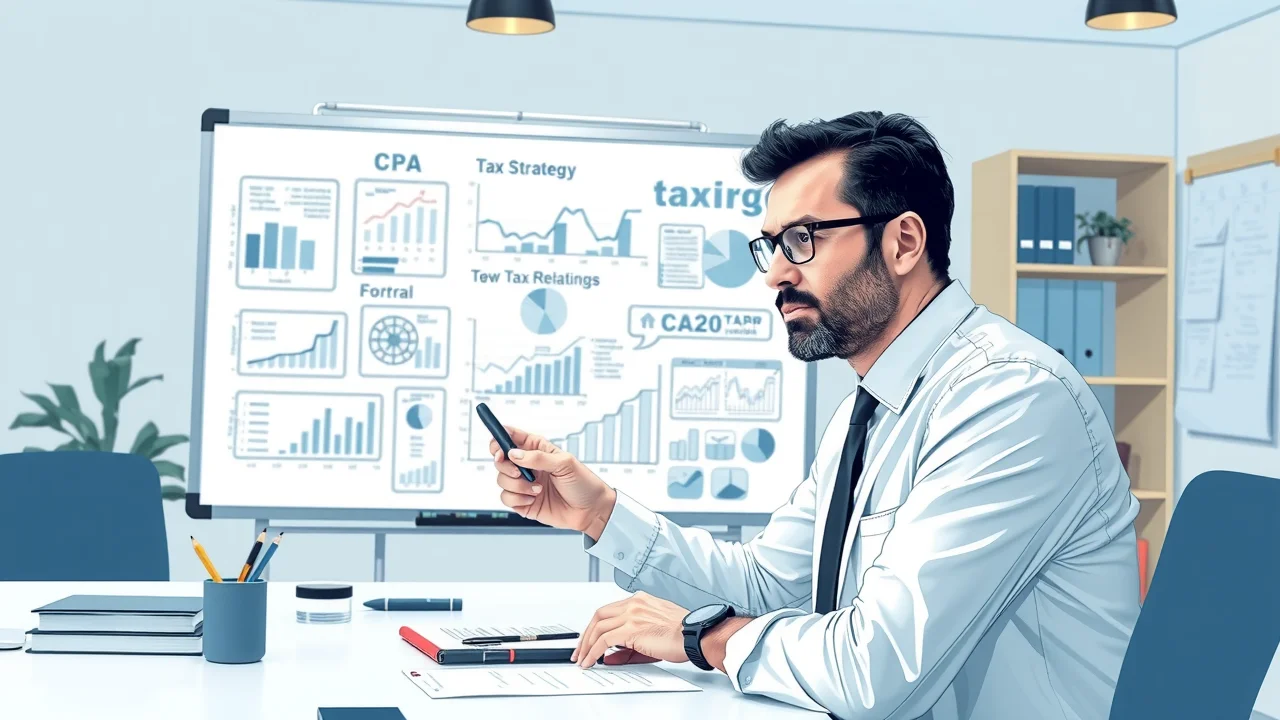
What Is Tax Preparation? Filing Taxes Accurately and Efficiently
Tax preparation, on the other hand, is the process of gathering financial data, organizing records, and submitting required forms to the IRS and state agencies, usually at tax time. This annual event ensures you comply with tax laws and regulations but is reactive by nature. The primary goal of tax prep is accurate, timely filing—minimizing audit risk and avoiding penalties. While essential, tax preparation alone doesn’t proactively reduce your tax liability or maximize your tax savings; it simply reflects the results of the year’s financial activity. That’s why coordinating your tax prep with ongoing tax planning yields the best outcome and provides business owners with the clarity needed for long-term growth.
| Aspect | Proactive Tax Strategy | Tax Preparation |
|---|---|---|
| Timing | Year-round, ongoing | Annually, at tax time |
| Goal | Reduce tax liability, maximize savings | Ensure accurate return filing |
| Tools Used | Tax plan, cash flow forecasting | Tax forms & records |
| Who Benefits Most | Business owners, small businesses | Individual & business filers |
The Value of a Proactive Tax Plan for Business Owners
Key Elements of Proactive Tax Planning for Business Taxes
An effective tax plan is made up of several vital components that empower business owners to minimize their tax bill and maximize long-term savings. Key elements include income timing and tax liability management, so you can spread taxable income across lower tax periods or defer income when advantageous. Understanding how to make the most of deductions and credits is crucial; these often go unnoticed without a proactive eye. Smart business structure optimization can also yield significant tax savings by choosing the right legal entity (such as LLC, S-Corp, or C-Corp) for your growth trajectory. Finally, it’s essential to remain alert to both state tax and federal regulatory changes so your plan stays aligned with ever-evolving tax codes and laws. By focusing on these core areas, business owners transform tax planning into a year-round strategy that continually drives better tax outcomes.
- Income timing and tax liability management
- Leveraging deductions and credits
- Optimizing business structure for tax efficiency
- Staying ahead of state tax and federal requirements
Proactive Tax Planning and Enhanced Cash Flow for Small Business
Proactive tax planning does more than reduce tax liability; it enhances cash flow for your small business. Just imagine having more liquidity at your disposal throughout the year, thanks to strategic tax outcomes. When you identify tax-saving opportunities and leverage smart financial decisions, you’re able to reinvest more quickly, respond to business challenges, and achieve sustainable growth. Optimal cash flow management also means less stress during tax season since you’re not frantically searching for last-minute deductions. By aligning your tax planning with business operations and quarterly check-ins with your CPA, you ensure that proactive changes support healthy, predictable, and resilient cash flow all year long.
Reducing Tax Liability: Real Examples from CPA Guidance
The real value of CPA guidance in tax planning comes to life when you see the results. For example, a small business owner who chooses the right business structure, maximizes home office deductions, and times major equipment purchases can save thousands in taxes each year. Another case involved a business that worked closely with their CPA to shift taxable income into a year where their other deductions were higher, resulting in a lower effective tax rate. Such examples illustrate how strategic decisions and personalized CPA advice can consistently deliver significant tax savings, reduce business tax liability, and provide lasting financial value.

CPA Guidance: Building an Effective Tax Strategy for Business Owners
How CPAs Develop a Customized Tax Plan
An experienced CPA plays an indispensable role in building your tax strategy. The process starts with understanding your business’s financial picture, growth projections, and industry-specific tax laws. Your CPA will perform a comprehensive review, identify unique tax benefits, and craft a custom plan that matches your goals and risk profile. This plan incorporates income forecasting, deduction optimization, and recommended business structure adjustments. Your CPA will also keep a close eye on evolving tax code, ensuring your strategy remains relevant and effective. With the support of professional guidance, you transform tax planning from a once-a-year task into a strategic, ongoing approach to long-term business success.
Strategic Tax Saving Techniques from Business Tax Experts
Tax experts use a range of strategic techniques to unlock value for business owners. These include reviewing entity type each year, ensuring that the chosen structure provides the best tax outcome. They may advise on depreciation schedules for major investments, timing large deductible purchases before year-end for immediate savings, or recommending owner compensation restructuring to optimize tax rates. Experts also advise on the timing of major sales or services to balance taxable income and suggest leveraging available tax credits. As a result, your partnership with a trusted CPA doesn’t just minimize taxes—it positions your business for smart growth and ongoing financial strength.
“The best tax outcome is achieved when your CPA is involved year-round, not just at tax time.” Christina Minton
Integrating Tax Preparation into Your Proactive Tax Strategy
Aligning Tax Prep with Proactive Tax Planning for Maximum Benefit
The most effective approach to filing taxes is integrating annual tax prep with your ongoing, proactive tax strategy. This means using each year’s return as a blueprint for the next year’s plan—identifying missed deductions, adjusting estimates, and reviewing your approach to taxable income and expenses. When your tax prep is aligned with a proactive plan, you’ll see tangible improvements in both compliance and tax savings. Routine check-ins with your CPA help keep your business on track with changing tax laws, allowing you to make course corrections before year-end. Ultimately, this partnership ensures that there are no missed opportunities and that your tax strategy evolves as your business grows, giving you the greatest benefit in both the short and long term.

Avoiding Common Business Tax Pitfalls During Filing Taxes
Failing to integrate tax planning and tax preparation can lead to classic mistakes: missing critical deadlines, overlooking available deductions, or misclassifying expenses. These errors not only increase your tax bill but also raise your audit risk. Business owners often underestimate the impact of proactive planning—forgetting to set aside funds for quarterly payments, mismanaging payroll tax obligations, or failing to update business structures as they expand. By keeping tax planning front and center, with support from a CPA, you can sidestep these pitfalls and create a strong foundation for your company’s continued success.
The Importance of Business Structure in Filing Taxes
The business structure you choose has a profound impact on both your tax liability and how you approach tax planning. LLCs, S-Corps, sole proprietorships, and C-Corps each have distinct rules regarding taxable income, allowable deductions, and filing requirements. A review of your business structure ensures it aligns with your growth, keeps up with tax code changes, and allows you to leverage the best tax-saving strategies available. Regular consultations with a CPA will help determine if a change in structure could lead to substantial tax benefits or help you better manage your financial decisions as you scale.
Watch a polished 90-second video featuring on-camera CPAs discussing key elements of proactive tax planning, including real-life tips, timelines, and simple on-screen graphics designed for small business owners.
Maximizing Business Tax Savings: Strategies for Every Business Owner
Actionable List: Proactive Steps Toward Effective Tax Planning
- Schedule a quarterly review with your CPA
- Track all deductible expenses in real time
- Review business structure for tax savings
- Plan for state tax and federal deadlines proactively
Example Scenarios: How Proactive Tax Planning Saved Businesses Thousands
Many small business owners have turned to proactive tax planning and watched their savings multiply. For example, one consulting firm changed from a sole proprietor to an S-Corp after a CPA review and instantly reduced self-employment taxes by thousands each year. Another retail business that worked with a CPA to better schedule equipment purchases and maximize Section 179 deductions saw a significant lowering of their tax bill. These real-world scenarios underscore that ongoing CPA guidance and a proactive tax plan aren’t just nice-to-have—they’re essential tools for achieving meaningful, ongoing tax savings.

People Also Ask: Proactive Tax Strategy and Filing Taxes
What is the difference between tax planning and tax preparation?
Tax planning involves year-round strategies to minimize your tax liability, while tax preparation focuses on accurately preparing and filing required tax documents at the end of the year. Both are essential for ensuring compliance and optimizing tax outcomes.

Why do business owners need both tax planning and tax preparation?
Business owners require both proactive tax strategies and thorough tax preparation because tax planning can uncover new savings opportunities and reduce overall business tax liability, while effective tax preparation ensures all filings are accurate and in compliance with current tax codes. Together, they strengthen your financial position and provide lasting peace of mind.
How can CPA guidance support a proactive tax plan?
Experienced CPAs offer expert insights that help identify overlooked deductions, optimize your business structure, and provide ongoing updates as tax laws change. Through active involvement, CPA guidance ensures your tax strategy stays proactive, current, and results-driven, making sure all tax outcomes are as favorable as possible.
Explore another helpful video where CPAs break down the most important elements of a Small Business Tax Plan—from entity selection to deduction timing and effective record keeping—using real-world success stories.
Frequently Asked Questions: Proactive Tax Strategy, Filing Taxes, and CPA Guidance
How often should I update my business tax plan?
A proactive tax plan should be reviewed at least quarterly, or whenever a significant business or tax law change occurs. This maintains alignment with your goals and ensures you capitalize on emerging tax-saving opportunities as they arise.
What are the risks if I skip proactive tax planning and only focus on tax preparation?
Skipping proactive planning increases your risk of missing deductions, triggering costly penalties, or encountering unforeseen tax liabilities. Relying solely on tax prep often means higher tax bills and lost savings that could have helped your business grow.
Can proactive tax planning help with cash flow management?
Absolutely—proactive tax planning can significantly improve cash flow by ensuring taxes are managed predictably, earmarking funds for quarterly payments, and exploiting credits and deductions throughout the year instead of scrambling at tax time.
How does business structure influence tax strategy and preparation?
Your chosen business structure determines your filing requirements, available deductions, and tax rates. A regular review with your CPA ensures your structure matches your ambitions, provides optimal tax savings, and stays current with changing tax codes.
Key Takeaways for Business Owners: The Importance of Proactive Tax Strategy and Filing Taxes
- A proactive tax strategy is crucial for reducing business tax liability and maximizing savings.
- Tax planning and preparation work together to yield the best tax outcome.
- CPA guidance is invaluable for navigating complex tax scenarios.
- Effective tax planning supports stronger cash flow and sustainable growth.
Summary: Why a Proactive Tax Strategy and CPA Guidance Are Critical for Business Owners
Professional CPA guidance and ongoing, proactive tax planning give business owners the tools to manage tax liability, maximize savings, and ensure confident filing of business taxes—all while staying ahead of evolving tax laws and regulations.
To experience pro-active tax and business consulting call the team at Minton CPA & Associates 757-546-2870
Take charge of your financial future with reliable CPA guidance and a strategic tax plan. Connect with Minton CPA & Associates today and turn tax season into an opportunity for growth!