
Tax season is a critical time for business owners, and preparation is key to a smooth filing process.
If your books aren’t properly organized and up to date, tax season can quickly become overwhelming. Taking the time to prepare your books in advance can save time, reduce stress, and help you avoid potential mistakes that could lead to penalties or missed deductions.
In this article, we’ll guide you through essential steps to get your books in order for tax season.
Gather All Necessary Financial Documents

The first step in preparing your books for tax season is gathering all relevant financial documents.
You’ll need to collect various records that reflect your business’s financial activities throughout the year. These include:
- Invoices: Records of sales or services provided.
- Receipts: Proof of any business expenses, from office supplies to travel.
- Bank Statements: These provide an overview of all transactions made through your business’s bank accounts.
- Credit Card Statements: Similar to bank statements, these document any expenses made using business credit cards.
- Loan Documents: If you’ve taken out a business loan, keep all records related to payments and interest.
It’s important to maintain both physical and digital copies of these documents. By keeping everything organized, you’ll know that when tax season arrives, you have the information you need to file accurately.
Reconcile Bank And Credit Card Statements
Reconciling your accounts is one of the most crucial steps in the bookkeeping process.
Reconciliation is the process of comparing the transactions in your bookkeeping records with the corresponding transactions on your bank and credit card statements to make sure they match.
When discrepancies exist, they can cause serious problems during tax season. For example, a missed expense or an inaccurate income entry could lead to errors in your tax return.
Before tax season, take the time to reconcile your accounts to confirm that all income and expenses have been accurately recorded.
Organize And Categorize Expenses
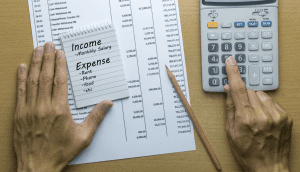
A key component of preparing for tax season is properly organizing and categorizing your business expenses.
Every transaction, whether it’s a small office supply purchase or a large capital expenditure, should be assigned to the appropriate category in your bookkeeping system.
Common categories include:
- Office supplies
- Travel expenses
- Employee payroll
- Utilities
- Marketing and advertising
Proper categorization not only keeps your books organized but also helps you identify potential tax deductions. For example, certain business expenses, such as travel or marketing, may be deductible, which could lower your taxable income.
Checking that each transaction is accurately categorized will streamline your tax preparation process and help you maximize deductions.
Review Accounts Receivable And Accounts Payable

Next, review your accounts receivable and accounts payable. Accounts receivable is a record of the money customers owe you, while accounts payable tracks your outstanding debts to vendors or suppliers.
Verifying these records will help make sure that all outstanding invoices and payments have been accurately recorded. It’s essential to follow up on unpaid invoices and resolve any discrepancies in your books.
If you have uncollected payments or outstanding bills, it’s a good idea to settle them before filing taxes. Doing so allows your tax filings to reflect the correct financial position of your business.
Review Payroll Records

Payroll is another critical area that requires attention before tax season.
Business owners need to ensure that all payroll taxes have been correctly calculated and paid throughout the year. Inaccurate payroll records can result in penalties or tax filing errors.
Check your payroll records to make sure that the wages, benefits, and taxes for each employee are properly recorded. If you employ contractors, be sure that all 1099s are issued, and for regular employees, confirm that W-2s are accurate.
Reconciliation between payroll records and your financial statements will help prevent mistakes that could cause problems during tax time.
Track Down Missing Or Incomplete Transactions

As you review your financial records, it’s common to find missing or incomplete transactions. These could be small expenses that weren’t properly logged or larger transactions that need more detail.
Missing transactions can lead to underreporting income or expenses, which could result in penalties or missed deductions. Before tax season, it’s essential to address these gaps.
Review your books carefully to identify any transactions that are incomplete or missing, and update your records accordingly for accuracy.
Generate Key Financial Reports

Generating financial reports is a necessary step to prepare your books for tax season.
These reports provide a snapshot of your business’s overall financial health and will help you and your CPA get a clear understanding of where your business stands.
Key financial reports include:
- Profit and Loss Statement (Income Statement): This report shows your business’s revenue, costs, and expenses over a period of time.
- Balance Sheet: This summarizes your business’s assets, liabilities, and equity at a specific point in time.
- Cash Flow Statement: This report tracks the flow of cash in and out of your business, offering insight into your company’s liquidity.
These reports are vital for both preparing your taxes and evaluating the financial performance of your business throughout the year.
Double-Check For Tax Deductions And Credits

Before filing your taxes, take the time to review your transactions and make sure you’ve accounted for all possible tax deductions and credits.
Many business owners miss out on deductions simply because they overlook qualifying expenses. Some common deductions include:
- Home Office Deduction
- Vehicle Expenses
- Travel Expenses
- Marketing and Advertising Costs
Reviewing your books thoroughly will help you identify deductions and credits that can lower your taxable income and save you money.
Work With A Professional CPA For Accuracy

As tax season approaches, we highly recommend working with a CPA to ensure your books are accurate and that you’re fully prepared to file your taxes.
At Minton CPA & Associates, we offer expert bookkeeping and tax preparation services tailored to the needs of business owners.
We understand the intricacies of tax laws and can help you avoid common pitfalls and maximize deductions. We can also reduce the risk of errors and help you take full advantage of every tax-saving opportunity available.
For personalized assistance with your bookkeeping or tax preparation needs, contact us at 757-546-2870.