

In the world of business, financial metrics serve as the guiding stars that navigate companies towards success and sustainability. These metrics provide a quantitative basis for making informed decisions, understanding financial health, and strategizing for future growth. For businesses aiming to thrive in competitive markets, monitoring these metrics is not just beneficial, it’s essential.
Key Financial Metrics Every Business Owner Should Track

The Role Of Financial Metrics In Running A Successful Business
Financial metrics are critical tools in a business strategist’s arsenal. They offer insights into various aspects of a company’s performance, from profitability and liquidity to efficiency and growth potential. By analyzing these metrics, you can identify strengths to build upon and weaknesses to address, ensuring strategic decisions are data-driven and aligned with long-term objectives.
Key Terms And Definitions
Before diving into specific metrics, it’s important to understand the terminology.
Profitability Metrics: Measure a company’s ability to generate income relative to its revenue, expenses, and assets.
Liquidity Metrics: Assess a company’s capacity to cover its short-term obligations.
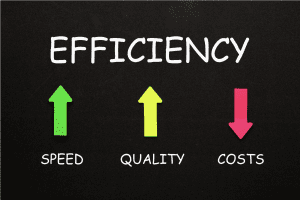
Efficiency Metrics: Evaluate how well a company uses its assets and liabilities to generate sales and maximize profits.
Solvency Metrics: Examine a company’s long-term financial viability and its ability to meet long-term obligations.
Growth Metrics: Track a company’s ability to increase its revenue, profit, and market share over time.
Profitability Metrics

Net Profit Margin
The net profit margin reveals what percentage of revenue is converted into profit after all expenses are deducted. It’s calculated by dividing net profit by total revenue and multiplying by 100. A higher net profit margin indicates a more profitable company that’s efficient in managing its costs.
Gross Profit Margin
The gross margin measures the percentage of revenue that exceeds the cost of goods sold (COGS). It’s an indicator of the efficiency of production processes and pricing strategies. Calculate it by subtracting COGS from total revenue, dividing the result by total revenue, and then multiplying by 100.
Return On Investment (ROI)
ROI is a measure of the profitability of an investment relative to its cost. It’s calculated by dividing the net profit of an investment by its cost and is expressed as a percentage. A high ROI means the investment’s gains compare favorably to its cost.
Liquidity Metrics

Current Ratio
The current ratio, calculated by dividing current assets by current liabilities, indicates a company’s ability to pay off its short-term liabilities with its short-term assets. A ratio above 1 suggests that the company can cover its obligations, while a ratio below 1 indicates potential liquidity issues.
Quick Ratio (Acid-Test Ratio)
The quick ratio measures a company’s ability to meet its short-term obligations with its most liquid assets. It’s calculated by subtracting inventory from current assets, then dividing by current liabilities. This metric provides a more stringent assessment of liquidity than the current ratio.
Cash Flow
Cash flow measures the net amount of cash and cash-equivalents moving into and out of a business over a specific period. It’s an essential indicator of a company’s liquidity, operational efficiency, and overall financial health.
Positive cash flow signifies that a company is generating more money than it is spending, allowing it to cover short-term obligations, invest in growth opportunities, reduce debt, and enhance shareholder value.
Conversely, negative cash flow can signal potential problems in meeting its financial obligations. Monitoring cash flow helps businesses ensure they have enough liquidity to fund operations and make informed decisions about investments, expenses, and debt management.
Efficiency Metrics
Inventory Turnover
Inventory turnover indicates how often a company sells and replaces its inventory over a period. A higher turnover rate suggests efficient inventory management and sales performance. It’s calculated by dividing the cost of goods sold by the average inventory.
Accounts Receivable Turnover
This metric measures how quickly a company collects payments from its customers. A higher turnover rate indicates efficient credit and collection processes. Calculate it by dividing total net credit sales by the average accounts receivable.
Solvency Metrics

Debt-To-Equity Ratio
The debt-to-equity ratio compares a company’s total liabilities to its shareholder equity, indicating how much debt is used to finance assets relative to equity. A lower ratio suggests a healthier balance between debt and equity financing.
Interest Coverage Ratio
This ratio measures a company’s ability to make interest payments on its debt with its earnings before interest and taxes (EBIT). It’s calculated by dividing EBIT by interest expenses. A higher ratio indicates a greater ability to meet interest obligations.
Business Growth Metrics

Revenue Growth Rate
The revenue growth rate tracks the increase in a company’s sales over time, highlighting its market expansion and increasing market share. It’s calculated by dividing the difference in revenue between two periods by the revenue of the initial period.
Customer Acquisition Cost (CAC) and Customer Lifetime Value (CLV)
CAC measures the cost associated with acquiring a new customer, while CLV estimates the total revenue a business can expect from a single customer account. Monitoring these metrics helps businesses understand the value of their marketing efforts and customer relationships.
Leveraging Financial Metrics For Strategic Decision Making
Setting Benchmarks And Goals
By setting benchmarks and goals based on financial metrics, you can create targeted strategies for business improvement and growth. Regularly comparing actual performance against these benchmarks helps in making necessary adjustments.
Regular Review And Analysis
Continuous review and analysis of financial metrics are crucial for adapting to market changes and optimizing business strategies. This proactive approach enables you to identify trends, seize opportunities, and mitigate risks.
Need Help Monitoring The Financial Health Of Your Business?

Monitoring essential financial metrics are indispensable for making informed business decisions that drive success. However, navigating the complexities of financial data and leveraging it for strategic advantage can be challenging.
At Minton CPA & Associates, we offer part-time CFO services tailored to your business needs, providing the expertise and insights necessary to harness the power of financial metrics. With over 30 years of experience serving businesses in the Hampton Roads region, we’re here to help you gain clarity and achieve your financial goals.
Don’t let the intricacies of interpreting financial information hold your business back. Reach out to us by calling 757-546-2870 and let our experienced team guide you towards financial success.